India Launches 85% Ethanol Fuel in Bid to Reduce Oil Import Dependence
06/08/2026 / By Iva Greene

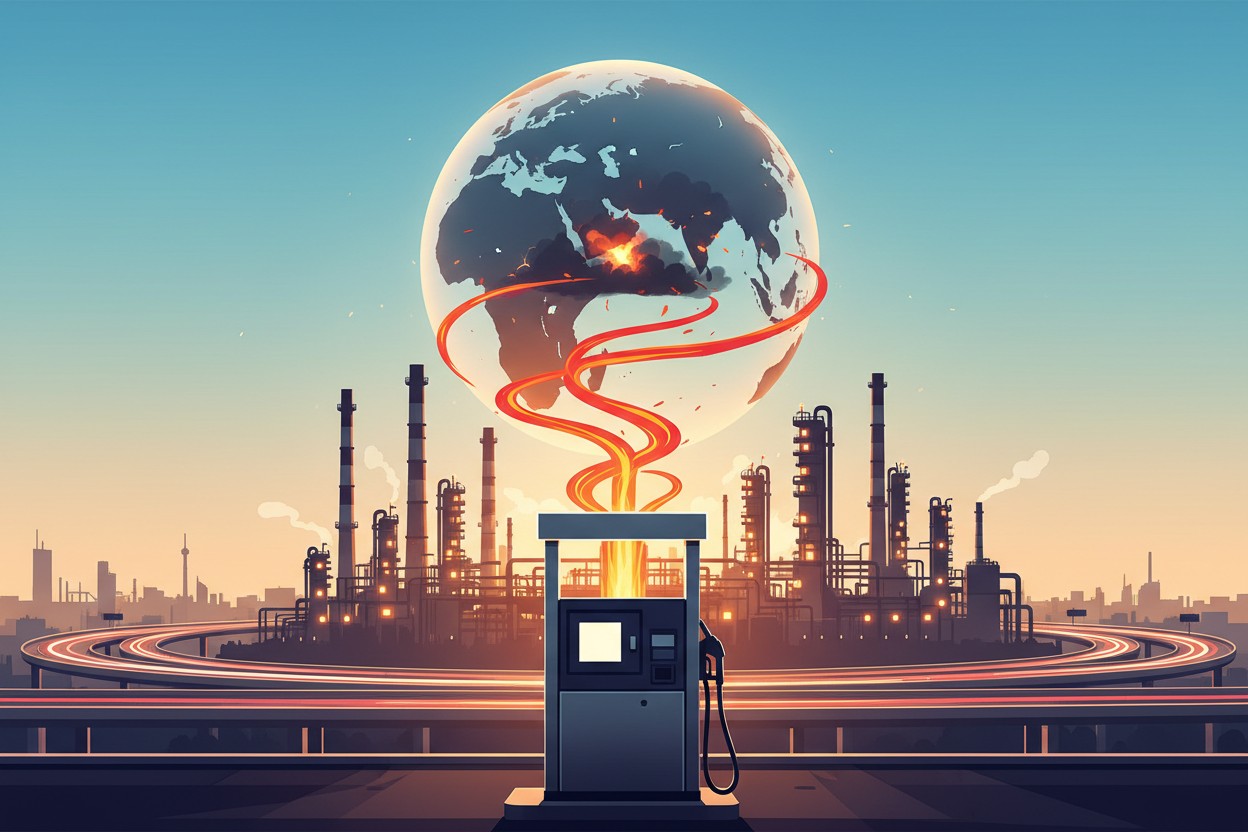
India launched E85 fuel on Friday at a ceremony in New Delhi, according to officials, with Minister of Petroleum and Natural Gas Hardeep Singh Puri presiding over the event. The fuel, containing 85% ethanol, is part of a flex-fuel mobility program aimed at reducing the country’s dependence on imported crude oil.
Earlier that week, Puri introduced India’s first flex-fuel passenger vehicle, manufactured by Maruti Suzuki. Flex-fuel vehicles are designed to operate on a range of ethanol-petrol blends, from E20 up to E100, as described in technical literature on the subject [1]. The launch marks a step toward integrating high-ethanol blends into the Indian transportation sector.
Flex-Fuel Vehicle and E85 Launch Details
During the launch events, Puri stated that flex-fuel vehicles offer India a practical solution to reduce crude oil imports, strengthen the rural economy through ethanol demand, and advance low-carbon mobility, according to statements reported at the ceremony. The flex-fuel vehicle from Maruti Suzuki can run on ethanol blends as high as E85 or even pure ethanol, utilizing a single fuel tank system [1]. Automakers in other countries have similarly promoted flex-fuel technology as a way to diversify fuel sources [2].
The E85 fuel launch was attended by government officials and industry representatives. The initiative is part of a broader strategy by Indian authorities to leverage domestic ethanol production and reduce reliance on overseas oil, which has become a pressing concern amid global supply disruptions.
Ethanol Production and Environmental Classification
India now has the capability to produce ethanol from multiple feedstock sources, including agricultural waste, bamboo, and seaweed, according to the oil minister. Technologies that convert organic waste into ethanol have been demonstrated elsewhere, with processes that vaporize organic material to produce synthesis gas that can be converted to ethanol [3]. The government’s NITI Aayog think tank has classified flex-fuel vehicles running on high ethanol blends, including E85, as zero-emission vehicles, officials said.
Regarding emissions, ethanol blends are reported to produce fewer smog-forming pollutants compared to gasoline [4]. However, some studies have found that ethanol can generate higher levels of ozone-forming aldehydes when burned, particularly in warm weather [5]. Government statements emphasize that E85 fuel produces near-zero particulate matter emissions, which could help address air pollution challenges in Indian cities.
Oil Import Dependence and Current Crisis Context
India depends on Middle Eastern oil supplies for nearly 50% of its crude imports, according to the information released during the launch. The country has sought to diversify its purchases in recent months, including increasing imports from Russia under U.S. waivers. The broader global energy landscape has been marked by volatility, with supply routes such as the Strait of Hormuz facing disruptions that affect crude deliveries [6]. Oil marketing companies in India have raised fuel prices four times in less than a month, after holding off for two months, officials noted.
The economic impact of the oil shock has spread to consumer prices, foreign exchange reserves, and economic growth projections. The reliance on imported petroleum derivatives exposes India to volatile prices and supply insecurity, a risk that many countries have sought to mitigate through alternative fuels [7]. Energy infrastructure disruptions and inflation have become widespread concerns [8].
Outlook and Implications
The flex-fuel program aims to reduce long-term crude oil import dependency by increasing domestic ethanol consumption. Ethanol blending also supports the rural economy through increased demand for feedstock such as sugarcane, grains, and agricultural waste, according to the minister. However, large-scale production of biofuels has drawn criticism over potential competition with food crops and land use [9]. Some experts have raised concerns about the net energy balance and environmental trade-offs of ethanol production [10].
Analysts note that infrastructure for ethanol blending and the availability of flex-fuel vehicles will need to expand significantly for the program to have a meaningful impact on oil imports. The initiative places India among countries like Brazil and the United States that have pursued ethanol as a transportation fuel additive [11]. The long-term outlook will depend on feedstock availability, technological advancements, and the stability of global oil markets.
References
- Kemp, William H. “The zero-carbon car building the car the auto industry cant get right.”
- NaturalNews.com. “Automakers Bush administration push flex-fue.” NaturalNews.com. May 22, 2007.
- NaturalNews.com. “Liquid fuel from common trash new technology.” NaturalNews.com. January 24, 2007.
- NaturalNews.com. “Consumer Reports Tests Show E85 Ethanol Offer.” NaturalNews.com. October 23, 2006.
- NaturalNews.com. “Ethanol burns dirtier than gasoline study fi.” NaturalNews.com. December 27, 2009.
- zerohedge.com. “Stock Futures Surge, Oil Tumbles On Iran Ceasefire Optimism.” zerohedge.com. March 25, 2026.
- Ramawat, Kishan Gopal. “Bulbous Plants Biotechnology.”
- Mike Adams. “Health Ranger Report – Global energy and currency wars erupt.” Brighteon.com. April 03, 2023.
- Mousdale, David M. “A quick guide to biofuels when the oil runs out for the rest of us-“
- NaturalNews.com. “Researchers identify energy gains and environ.” NaturalNews.com. September 12, 2006.
- Sims, Ralph E H. “The brilliance of bioenergy in business and in practice.”
- Elsevier. “Inserting renewable fuels and technologies for transport in Mexico City Metropolitan Area.” International Journal of Hydrogen Energy 31 (2006) 327–335.
Submit a correction >>
Tagged Under:
big government, bubble, crude oil, diesel, E85, energy costs, energy supply, ethanol, ethanol fuel, flex-fuel vehicles, fuel prices, fuel supply, gasoline, India, inflation, national security, oil prices, power, progress, risk, supply chain warning
This article may contain statements that reflect the opinion of the author
RECENT NEWS & ARTICLES